Source Disposable Bio Degradable Tea Bag for Food Packaging
Find 30 options for disposable bio degradable tea bag solutions tailored for industrial tea and food applications. Compare specifications like mesh material, heat sealing processes, and customization options to select the right supplier for your bulk sourcing needs; compare the available evidence and request quotations based on your requirements.
Key considerations
Products List



Comprehensive Sourcing Guide
Disposable Bio Degradable Tea Bag Sourcing Guide
Procuring disposable bio-degradable tea bags requires distinguishing between genuine compostable materials and conventional synthetic alternatives that merely claim eco-friendly status. The market presents a mix of products, including those made from 100% Polypropylene and others utilizing mesh structures designed for specific industrial uses. Buyers must rigorously verify the raw material composition to ensure the product aligns with true biodegradability claims rather than relying on generic marketing terms.
The observed product landscape includes items explicitly labeled as 100% biodegradable alongside those featuring advanced functional properties like being waterproof, mothproof, and anti-bacterial. While some listings highlight a core component of tea bags with heat sealing processes, others describe spun-bonded technical fabrics with varying GSM weights. This divergence necessitates a careful review of the specific material grade and production process to confirm the item meets the intended environmental and functional requirements for your specific application.
Product Scope and Observed Listing Signals
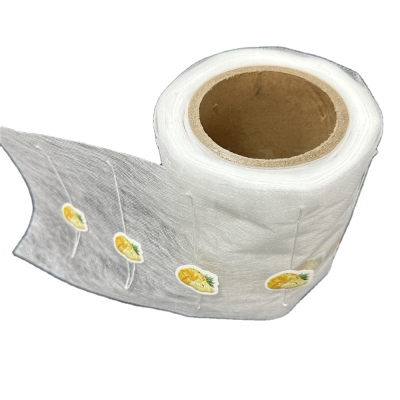
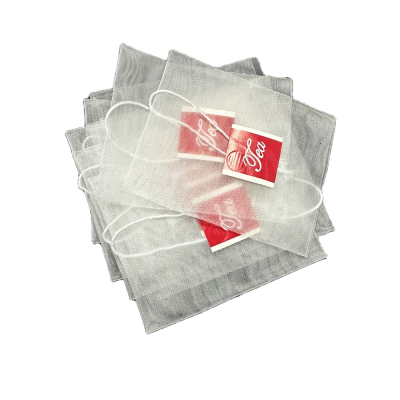
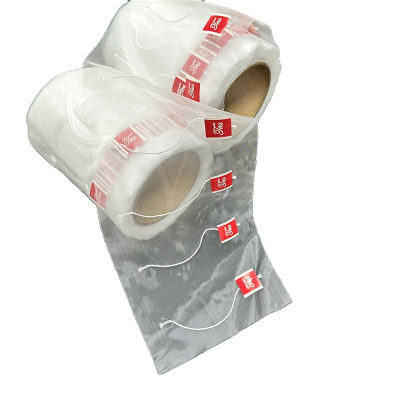
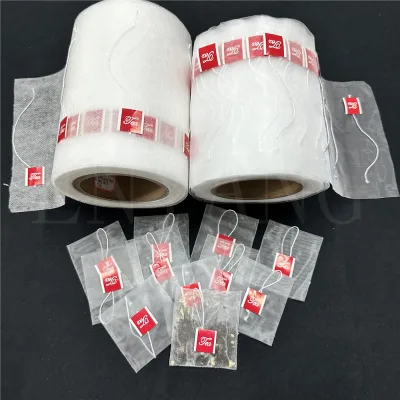
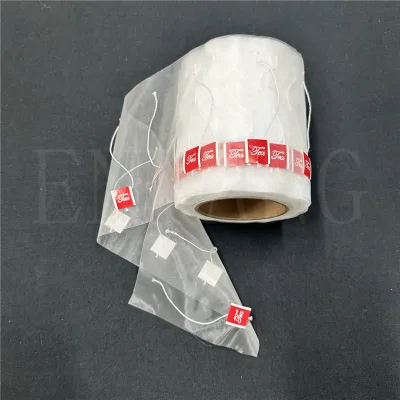
Buyers should expect a diverse range of product configurations, from standard roll formats to customized seal bags with specific dimensions like 130mm or 170mm string lengths. The available inventory often includes plain patterns in white, with customization options extending to length, width, and logo placement to suit brand identity. Understanding these variations is critical, as the physical form factor directly impacts the brewing experience and the compatibility with existing packaging machinery.
Commercial listings frequently indicate that packaging is supplied in rolls, with standard export cartons containing multiple rolls, such as 1000 meters per roll. However, the minimum order quantities vary significantly, ranging from small batches of 6 units to substantial tonnage requirements of 1 Ton or 6000 units. This wide disparity in MOQs suggests that buyers must align their order volume with supplier capabilities, as some vendors cater to small prototype runs while others focus on large-scale industrial distribution.
Technical Specifications to Verify
Technical due diligence must focus on the precise material composition, specifically confirming whether the product is constructed from 100% Polypropylene or a mesh-based biodegradable alternative. The production process, often cited as heat sealing, dictates the structural integrity of the bag, while the weight range of 20-150GSM influences the filtration rate and durability during the steeping process. Verifying these parameters ensures the bag will not disintegrate prematurely or fail to contain the tea leaves effectively.
Dimensional consistency is another vital technical aspect, with standard sizes often listed as 140mm, 160mm, or 180mm, though many suppliers offer custom sizing per request. Buyers should also scrutinize the string length and the variety of bag styles, such as back seal bags or dyed styles, to ensure they match the operational needs of the end-user. The presence of accessories like zip locks or tin ties may also be relevant for specific packaging strategies, requiring a clear definition of the final product specification before production begins.
Compliance and Safety Documentation
Ensuring that the product meets safety standards is paramount, particularly when the item is intended for direct food contact in tea applications. While some suppliers provide machinery test reports and claim compliance with standards like EN13432 or ASTM D6400, buyers must treat these as observations rather than guaranteed certifications without direct verification. It is essential to request current documentation proving that the specific batch of tea bags has undergone the necessary safety and biodegradability testing.
The warranty period of 1.5 years offered by some manufacturers indicates a confidence in product durability, yet this should not replace the need for independent quality assurance. Buyers should verify that the industrial use classification explicitly covers food and tea applications, ensuring the material does not leach harmful substances during hot water exposure. Confirming the origin of the raw materials, such as imported grades, adds another layer of assurance regarding the consistency and safety of the supply chain.
Cost Drivers and Commercial Terms
Pricing for these specialized items is influenced heavily by the complexity of customization and the volume of the order, with observed price points ranging from zero to 8.2 USD per unit. The cost structure often reflects the raw material grade, with imported materials potentially commanding a premium over standard domestic options. Additionally, the requirement for specific features like being anti-static or breathable can increase production costs, necessitating a detailed cost-benefit analysis before committing to a specific design.
Commercial terms regarding packaging and shipping are equally critical, as products are typically packed in cartons with paper tubes and PE bags to prevent damage during transit. The lead time and logistics costs are further affected by the origin of the goods, which is frequently listed as Hebei or Fujian in China. Buyers must clarify whether the quoted price includes the standard export packaging or if additional fees apply for specialized handling, ensuring the total landed cost aligns with the procurement budget.
Supplier Qualification and Quality Control
Supplier qualification should involve a thorough review of their production capabilities, including their machinery test reports and the availability of samples for free evaluation. The presence of OEM support and customization options for logos and dimensions suggests a flexible manufacturing environment, but buyers must verify the consistency of these services across different production runs. Establishing a clear communication channel regarding the customization of length, width, and other attributes is essential for maintaining product quality.
Quality control protocols must be explicitly defined, with a focus on the consistency of the heat sealing process and the uniformity of the bag shape. Since the product is described as having advantages like being anti-tear and anti-pull, the supplier must demonstrate that these features are inherent to the manufacturing process rather than just marketing claims. Regular audits of the production line and the verification of the 1.5-year warranty terms can help mitigate the risk of receiving substandard goods that fail to meet the expected performance criteria.
Long-Term Procurement Checks
Sustainable sourcing requires ongoing monitoring of the supplier's ability to maintain the bio-degradable properties of the tea bags over time. Buyers should establish a schedule for re-evaluating the raw material sources to ensure that the 100% biodegradable claim remains valid as supply chains evolve. This proactive approach helps prevent the inadvertent introduction of non-compliant materials that could undermine the environmental benefits of the product line.
Long-term partnerships should also include regular reviews of the commercial terms and the flexibility of the supplier to adapt to changing market demands. As the industry evolves, the ability to adjust specifications such as GSM weight or bag variety will be crucial for maintaining competitiveness. By maintaining a rigorous check on the supplier's adherence to the agreed-upon standards and their capacity to provide consistent test reports, buyers can ensure a reliable and sustainable supply of high-quality tea bags.
FAQs
What materials are used for disposable bio degradable tea bags?
The primary materials include mesh and 100% polypropylene, with some options utilizing Emma-PLA fabric for enhanced biodegradability. These materials are selected to ensure the bags are eco-friendly and breathable while maintaining structural integrity during the steeping process. The production process often involves heat sealing to create durable seal bags that meet industrial use standards for tea and food applications.
Can I customize the size and logo of these tea bags?
Yes, customization is available for length, width, and logo printing. Standard specifications include sizes like 140mm, 160mm, and 180mm, with string lengths of 130mm or 170mm. Buyers can request specific dimensions per their requirements, and the brand Enyang supports OEM services to tailor the product appearance and dimensions to match specific branding needs or packaging constraints.
What is the minimum order quantity for these products?
The minimum order quantity varies significantly depending on the specific product variant and supplier terms. Observed MOQ ranges from 6 units up to 50,000 units, with some listings specifying 6,000 units or 1 ton as the threshold. Buyers should verify the exact MOQ with the supplier, as it depends on whether the order is for standard rolls or customized specifications.
Are these tea bags certified as biodegradable?
The products are described as 100% biodegradable and bio-degradable, featuring eco-friendly and breathable properties. While specific certifications like EN13432 or ASTM D6400 are mentioned in background contexts, the primary attribute is the material composition, such as PLA fabric or mesh, designed to decompose naturally. Buyers should request machinery test reports to verify biodegradability claims for their specific sourcing needs.
How are the tea bag rolls packaged for shipping?
The products are typically packaged in rolls, with standard export cartons containing 1,000 meters per roll and 4 rolls per carton. Some variants are packed with a paper tube and PE bag to protect the material. The packaging dimensions are often customized, such as 25x35x10cm or 25x40x12cm, ensuring safe transport and storage while maintaining the integrity of the heat-sealed bags.
What is the warranty period for the tea bag machinery?
The warranty period for the associated machinery or production equipment is typically 1.5 years. This warranty covers core components and ensures operational reliability for the heat sealing processes used in manufacturing. Buyers should confirm the warranty terms with the supplier, as it may vary based on the specific model and the extent of the machinery test reports provided during the purchase.